
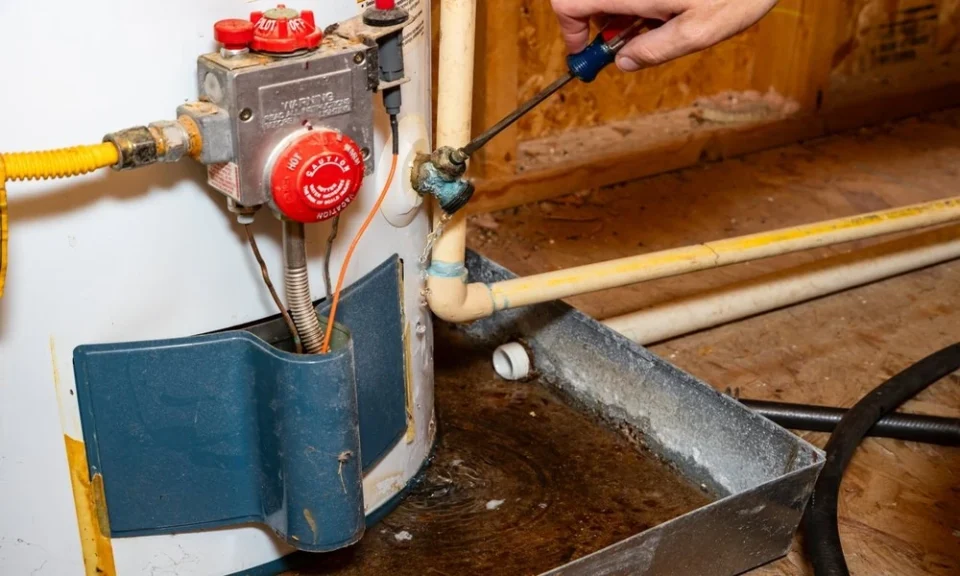
A water heater works quietly in the background until something goes wrong. One homeowner may enjoy reliable hot water for 15 years or longer, while another faces costly repairs after only a few years. The difference rarely comes down to luck. Several factors influence how long a system remains dependable and efficient.
Water quality, maintenance habits, installation quality, and daily usage all play important roles in equipment lifespan. Homeowners who understand these factors can make smarter decisions and avoid premature failures. Something as simple as scheduling service to flush water heater sediment from the tank can help support better performance and a longer system life. The sections below explain why some water heaters last far longer than others and what homeowners can do to help extend the life of their equipment.
Water Quality Has a Major Impact on Lifespan
The quality of water entering a house impacts all fixtures and appliances. Hard water contains substances like calcium and magnesium, and will produce deposits in your water heater tank. These deposits build up over time and put additional pressure on the system. People have to often cope with hard water in their homes. If your system is subject to high amounts of minerals, it might become less efficient sooner than expected.
Sediment Buildup Creates Hidden Problems
Sediment settles at the bottom of a water heater tank after minerals separate from heated water. A thick layer of buildup acts as a barrier between the burner or heating element and the water itself. The system must work harder to achieve the desired temperature. Extra strain leads to higher energy consumption and increased wear. Rumbling or popping sounds from the tank can signal that sediment has become a concern. Professional maintenance can address this issue before it causes lasting damage.
Installation Quality Makes a Difference
A water heater works optimally when it is installed properly from the outset. Sizing, proper connections, correct pressure, and quality installation are some factors that make sure that it performs well. Even small installation errors can lead to issues that emerge after some time. An undersized heater will always be under constant demand and additional stress. Unnecessary pressure in the system could cause unwanted stress on the heater.
Maintenance Habits Influence Long-Term Reliability
Routine care remains one of the most important factors in water heater longevity. Homeowners who schedule inspections and maintenance appointments tend to experience fewer surprises. Small issues become easier to address before they grow into expensive repairs.
A technician can inspect components, test safety features, and identify signs of wear. Regular maintenance may include service to flush water heater sediment from the tank, which helps support efficient operation and reduces unnecessary strain on the system. Consistent attention can add years to the life of the equipment.
Household Demand Affects Equipment Wear
Each and every water heater has its capacity. Large family size, more laundry washing, and more usage of hot water put stress on the machine. When a machine works at full capacity each and every day, it suffers wear and tear more than a machine working under average capacity. Six members in a family might consume more hot water compared to a retired couple living in the same area. Proper sizing plays an important role as it brings compatibility between the machine and the house’s requirements.
Temperature Settings Can Influence Performance
Higher temperature settings increase the workload on a water heater. Some homeowners raise the temperature to compensate for reduced performance, which may create additional strain. Excessive heat can accelerate wear on internal components and increase energy costs.
Most households achieve comfortable performance without extreme temperature settings. A professional can help determine appropriate adjustments that balance comfort, safety, and efficiency. Small changes can support longer equipment life.
Early Warning Signs Should Never Be Ignored
The vast majority of water heaters give off some kind of signal that failure is about to happen. Rusty water, fluctuating temperatures, strange noises, leaks, and even increased water bills are all symptoms of a problem that needs to be addressed soon. If a homeowner acts fast upon seeing these signals, they will not end up in a crisis situation or face expensive repairs. Regular checks will make these symptoms more obvious.
Maintenance Tasks That Help Extend Water Heater Life
Helpful Habits for Homeowners
- Check the area around the tank for moisture or leaks.
- Schedule professional inspections at recommended intervals.
- Monitor changes in water temperature and pressure.
- Address unusual sounds before they become larger problems.
Questions to Ask During a Service Visit
- Is sediment buildup affecting performance?
- Are safety components functioning correctly?
- Does the unit show signs of corrosion?
- Are there efficiency improvements worth considering?
However, there is a distinction between those water heaters that will last 15 years and those that won’t be able to serve their owner for such a long period of time. The main issue here is based on whether or not the homeowners have been paying enough attention to the above-mentioned matters. It would require much more effort to fix the problems after the fact rather than to prevent them in advance.
