
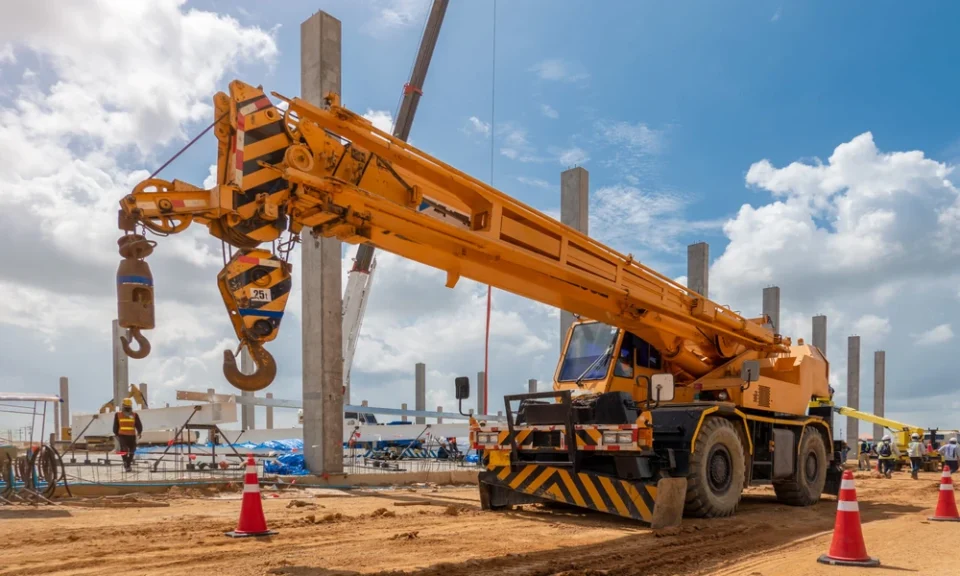
Crane rentals help construction teams lift steel, roofing materials, machinery, and other heavy loads with accuracy. The final price varies because each crane project has different capacity, reach, access, and scheduling needs. A simple lift at an open site may cost less than crane work near buildings, power lines, or restricted areas.
Contractors can receive a clearer estimate by sharing complete project details before booking. Load weight, crane size, rental period, jobsite conditions, and delivery distance all influence the quoted amount. The following sections explain how each factor can raise or lower the total rental price.
Crane Size and Capacity Set the Base Rate
The selected crane has a direct effect on crane rental costs. Larger cranes usually carry higher rates because they provide greater lifting capacity, longer boom reach, and more demanding setup requirements. Smaller cranes may cost less when the load is light, and the placement height remains limited.
Load Weight and Reach Guide Crane Selection
Providers review the load’s weight, dimensions, attachment points, and final position before recommending a crane. A heavier load or longer lifting radius may require a larger model, which raises the quoted amount. A lighter load placed close to the crane may allow compact equipment at a lower rate. Accurate load information helps prevent the selection of an oversized crane. It also allows the provider to match the crane closely to the actual lifting task.
Rental Duration Changes the Total Charge
Crane providers may calculate charges by the hour, day, week, or month. A short lift usually produces a lower total than a multi-day construction task. However, a longer booking may offer a better daily rate than several separate short rentals.
Careful Scheduling Helps Control Extra Time
Project managers should coordinate the crane booking with material deliveries, crew availability, and site access. Delays can add to the final amount if the crane and operator remain on-site longer than planned. A prepared jobsite can reduce idle time and keep the rental within the original schedule.
Jobsite Conditions Influence Setup Expenses
The work area can raise or lower the preparation needed before crane operations begin. Firm, level ground and wide access routes support faster positioning, which may keep setup charges lower. Difficult terrain, restricted entry, or nearby structures can increase the quoted amount because they require added equipment, labor, or planning.
Crane Site Conditions That Can Increase the Price
- Narrow access routes: May require a compact or specialized crane.
- Soft ground: Can require mats or extra outrigger support.
- Limited staging space: May increase positioning time and labor needs.
- Overhead structures: Can restrict boom movement and require added planning.
- Uneven surfaces: May require more preparation before crane setup.
In contrast, wide access routes and firm, level ground can reduce setup time and help keep related charges lower. An early site review helps the provider identify these conditions before preparing the quote. It also shows which jobsite requirements may increase or reduce the final rental amount.
Crane Transportation and Crew Support Affect Pricing
Transporting a crane to the jobsite adds to the overall service amount. Longer travel distances generally increase delivery charges, while nearby sites may reduce them. Larger cranes can also cost more to transport because they require heavier hauling arrangements.
Complex Lifts Require Additional Support
A straightforward crane lift may need only standard operator assistance. More difficult placements, greater load weight, or restricted movement paths can require extra workers, setup help, and detailed coordination. These added needs can increase crane rental costs through higher labor and operating time.
Crane rental pricing becomes easier to manage when contractors share accurate project details and compare complete service quotes. Choosing a suitable crane supplier can also support clear pricing, proper planning, and efficient lifting work. Careful preparation helps the rental process stay aligned with the project’s budget and schedule.
