
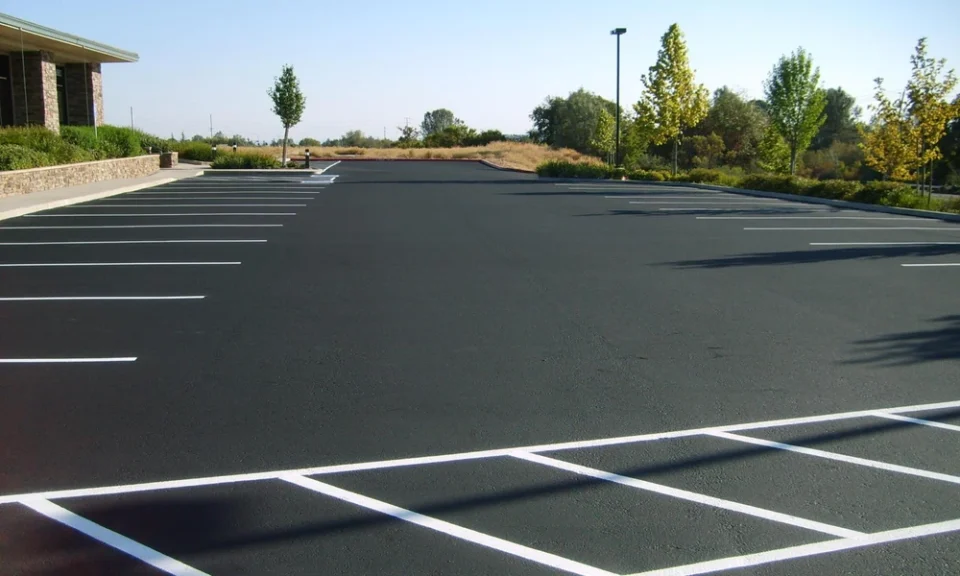
A freshly marked parking lot instantly communicates order, safety, and professionalism. Yet, effective pavement markings require more than a coat of paint and a steady hand. In spaces where vehicles, pedestrians, and tight layouts converge, every line and symbol must deliver clarity and confidence, or risk confusion and accidents.
Understanding Pavement Markings: Temporary vs. Permanent Solutions
Parking lots and private properties typically require a mix of temporary and permanent pavement markings, each serving a distinct purpose.
Key Characteristics of Temporary Pavement Markings
Temporary markings guide vehicles during construction phases, detours, or short-term events. These are usually applied using approved paints designed to be removed or replaced as site conditions change. The flexibility of temporary markings makes them indispensable during resurfacing or when configurations need to adapt, but they are not meant for heavy wear or long-term visibility.
Advantages and Limitations of Permanent Markings
Permanent solutions, such as thermoplastic or durable paint applications, form the backbone of long-term traffic organization. They withstand traffic, weather, and frequent cleaning, making them ideal for everyday use. However, their initial installation demands careful planning and compliance with specifications, as mistakes are costly to correct.
Selecting the Appropriate Marking Type for Your Property
Choosing between temporary and permanent markings depends on project timelines, expected traffic volume, and the likelihood of future layout changes. Construction areas or active developments often benefit from starting with temporary solutions, transitioning to permanent markings once surfaces and traffic flows are finalized.
Regulatory Standards and Compliance Requirements
Effective pavement markings are never haphazard. Every line and symbol must comply with strict standards to ensure safety and legal adherence.
MTO and Municipal Specifications Overview
In Ontario, the Ministry of Transportation (MTO) and local municipalities set detailed requirements for pavement markings, including standards for line thickness, color, reflectivity, and layout. These rules ensure markings are consistent and easily understood, whether on public roads or private property.
Accessibility and Safety Regulations for Private Properties
Parking lots must adhere to the Accessibility for Ontarians with Disabilities Act (AODA), which mandates accessible parking spaces, proper signage, and barrier-free pathways. Safety is paramount, especially in spaces with high pedestrian activity and mixed traffic.
Quality Control Measures and Documentation Practices
Quality starts long before the first line is painted. Reputable providers like Salus Traffic Control pavement markings follow rigorous procedures: site surveys, surface preparation, humidity checks, and ongoing documentation, including photographs and compliance records. These steps help prevent premature wear and ensure every project stands up to regulatory scrutiny.
Design Challenges in Parking Lots and Private Properties
Creating efficient, safe, and visually clear layouts in often-constrained spaces is a nuanced task.
Navigating Tight Layouts and High Pedestrian Activity
In densely packed lots, balancing maximum vehicle capacity with safe pedestrian pathways is a constant challenge. Markings must delineate clear walkways, minimize vehicle conflict points, and guide drivers intuitively, all within limited real estate.
Balancing Traffic Flow with Safety Needs
Optimal designs direct vehicles smoothly while slowing them near pedestrian crossings or in shared zones. Directional arrows, stop bars, and speed indicators need to be strategically placed for maximum effect.
Customization for Fire Routes, Accessible Parking, and Pedestrian Crossings
Each property has unique requirements. Fire lanes must be unobstructed and clearly marked, accessible spots require proper symbols and dimensions, and high-traffic crossings need bold, visible zebra stripes.
Material Choices and Application Techniques
Not all markings are created equal, choosing the right material is critical for durability and visibility.
Paint vs. Thermoplastic: Durability and Performance Comparison
| Material | Lifespan | Visibility | Cost | Best Use |
|—————–|———-|————|———–|————————-|
| Standard Paint | 6-12 mo | Moderate | Low | Low-traffic, temp areas |
| Thermoplastic | 3-5 yrs | High | Moderate | High-traffic, permanent |
Thermoplastic markings offer superior longevity and reflectivity, making them the preferred choice for permanent applications. Paint is cost-effective for short-term or low-traffic scenarios but requires more frequent touch-ups.
Surface Preparation and Environmental Considerations
Markings must be applied to clean, dry surfaces in suitable weather conditions. Moisture, debris, or extreme temperatures can compromise adhesion and visibility, leading to rapid deterioration.
Retroflectivity and Visibility Standards
Ontario mandates retroreflective properties to ensure markings are highly visible both day and night. This is achieved using embedded glass beads or specialized materials, enhancing safety in poor lighting or adverse weather.
Maintenance Strategies and Longevity
Even the best markings require regular maintenance to stay effective.
Addressing Wear from Weather and Traffic
Ontario’s freeze-thaw cycles, snow removal, and constant foot traffic accelerate marking wear, especially in exposed or high-use areas. Regular inspections pinpoint fading or damage before it impacts safety.
Scheduling Refreshes and Resurfacing Projects
Proactive scheduling of refreshes keeps markings sharp and visible. Integrating marking updates with resurfacing or sealcoating projects can minimize downtime and maximize efficiency.
Minimizing Disruption During Maintenance Work
Efficient crews and proper planning allow for markings to be refreshed outside peak hours, reducing impacts on tenants and visitors.
Collaboration and Project Management for Effective Markings
Success relies on clear communication and coordinated execution.
Coordinating with Property Owners, Developers, and Managers
Every project should begin with a detailed review of property needs, compliance requirements, and desired outcomes. Open collaboration streamlines the process from design through execution.
Planning for New Developments vs. Existing Properties
New developments offer a blank canvas for efficient layouts, while retrofits must work within existing constraints, both require precise premarking to avoid costly errors.
Efficient Execution: From Layout Premarking to Final Application
Premarking layouts ensures absolute accuracy before permanent application, reducing mistakes and rework. High-quality crews complete tasks swiftly, limiting site disruptions.
Case Studies: Comparing Approaches Across Different Ontario Regions
Parking lot needs vary based on location, use, and project scale.
Urban vs. Suburban Parking Lot Marking Solutions
Downtown Toronto lots often prioritize pedestrian safety and rapid turnover, while suburban sites may accommodate larger vehicles and offer more flexible layouts.
Temporary Markings in Construction Zones vs. Permanent Lot Markings
During active construction, highly visible temporary markings guide users through evolving detours. Once complete, permanent thermoplastic or paint markings lock in safe, organized traffic flow for years to come.
Lessons Learned from Varied Project Scales and Traffic Demands
Whether working on a compact lot in Hamilton or a sprawling plaza in Vaughan, the key is tailoring solutions to the property’s unique mix of traffic, weather, and regulatory demands, delivering safety, efficiency, and durability in every line.
