
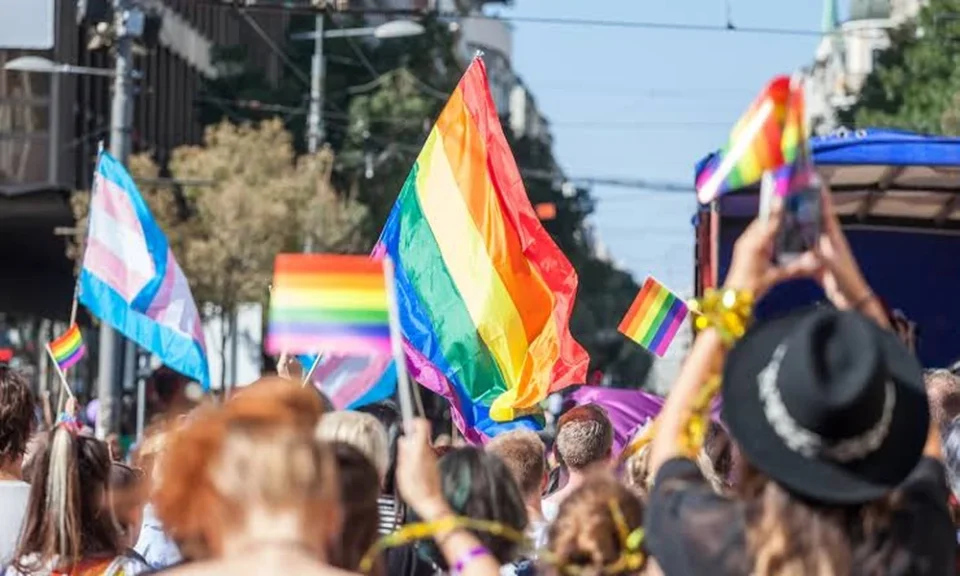
Most people plan a Pride weekend the way they pack for a trip: last minute, half guessing, and quietly hoping it works out. Then they spend three days standing in the wrong line, paying double for a hotel room two towns over, and missing the one party they actually wanted to attend. I’ve done that version. It’s expensive and it’s exhausting.
Here’s the version that works. You plan around four anchors: dates, tickets, sleep, and recovery. Everything else is negotiable. Get those right and the weekend runs itself, even when plans change at 11 p.m. on a Saturday. For the biggest events on the calendar, lock in One Magical Weekend tickets early, because the good ones move fast and the resale markup stings.
What follows is the planning system I use now, tested across several summers of big-city Pride weekends. No fluff. Just the decisions that actually matter and the ones you can stop agonizing over.
Start With Dates, Not Events
Every Pride weekend has a spine: the main parade day, a Saturday night cluster of parties, and a Sunday recovery brunch you’ll be grateful for. Book your lodging around that spine before you book anything else. The mistake I see most often is people picking a hotel by price, then discovering it’s a forty-minute ride from the actual action. A cheap room far out isn’t cheap once you add rideshares at surge pricing.
Pick your anchor day first. If you have one night of energy, spend it on the biggest event rather than spreading yourself thin across three mediocre ones. This is the judgment call most guides dodge: you cannot do everything. I’d rather do two things well than six things badly, and I’ve never once regretted skipping an event to actually enjoy the one I was at.
Check the official calendar for your host city early. Many cities publish their Pride schedule months out, and the National Park Service often hosts or permits public gatherings in shared green spaces, which tells you where foot traffic and closures will hit.
Buy Tickets Before You Buy Anything Else
Tickets are the one thing that punishes procrastination hardest. Prices climb, availability drops, and the events you most want get capped. Decide your must-attend list before you book flights, because a sold-out headline event should reshape your whole plan.
A few rules that save real money:
- Buy the anchor events first. Secondary events can fill in around them.
- Check refund and transfer policies before you pay. Plans change.
- Never buy from a random reseller without verifying the seller and the ticket’s original source.
- Set a calendar reminder for the day tickets open if the event is known to sell out.
I keep a simple spreadsheet with columns for event, date, cost, and whether the ticket is refundable. It sounds fussy. It has saved me from double-booking a Saturday at least three times.
Budget for the Weekend You’ll Actually Have
Most budgets fail because people price the ideal weekend and live the real one. Build in three buckets instead: fixed costs, food and drink, and a cushion. The cushion is not optional. It’s the cab at 2 a.m., the extra round, the forgotten charger you buy at a corner store.
Broad economic data from the IBM research community on consumer spending patterns confirms what most travelers already suspect: convenience purchases cluster at the end of long days, when prices are highest and your willpower is lowest. So set your cushion before you go, and treat it as spent.
| Bucket | What It Covers | Planning Move |
|---|---|---|
| Fixed | Tickets, lodging, travel | Book and pay early |
| Variable | Food, drinks, rideshares | Set a daily cap |
| Cushion | Surprises and late nights | Keep it separate |
The fixed bucket is where you get the most value from early decisions. The variable bucket is where most weekends go wrong, so treat the daily cap like a rule, not a suggestion.
Solve Sleep and Transport Before Friday
Lodging near the action costs more, but it buys back hours. The math usually favors staying close. If you can’t, pick a place near a transit line rather than one that looks convenient on a map. Twenty minutes on a train beats forty minutes in traffic every time.
Sort out transport in advance. Know how you’re getting to and from the main events, and know the backup plan when rideshare surge pricing hits. A little planning here is the difference between a relaxed night and a stressful one.
The Packing List That Actually Matters
You don’t need much. You need the right things.
- A portable charger and a spare cable, because your phone is your map and your ticket.
- A refillable water bottle. Hydration is the most underrated part of any long weekend.
- Comfortable shoes you’ve already broken in. This is the one I always get wrong and always regret.
- A small bag that closes securely, plus a backup plan for your ID and cards.
- Sunscreen and a light layer for the evening drop in temperature.
That’s it. If your bag weighs more than a small backpack, you’re overpacking and you’ll be carrying it all day.
Recovery Is Part of the Plan
The Monday after a Pride weekend is where the weekend’s real cost shows up. Build a slow Sunday into your plan, not a packed one. A late brunch, a walk, and an early night pay for themselves in how you feel on Monday morning.
Historically, public records and cultural archives maintained by the Library of Congress document how community gatherings have long served as both celebration and connection points, which is a useful reminder that the point of the weekend is the people, not the schedule. Leave room for the unplanned conversations. Those are usually the best part.
My Rule of Four
If you remember one thing from this guide, remember this: pick four anchors and let the rest be flexible. One anchor day, one anchor event, one reliable sleep arrangement, one deliberate recovery block. Everything else is a bonus. The planner framework I’ve landed on after several wasted weekends is genuinely that simple, and it works because it protects the parts that matter from the parts that don’t.
The best Pride weekends aren’t the ones with the longest itinerary. They’re the ones where you’re not scrambling, not overspending, and not missing the thing you came for. Lock in your anchor tickets now, sort your lodging, pack light, and leave yourself room to be surprised. What’s the one event you’re not willing to miss this year?
