
Pet dander is easy to overlook because it is so small, but it can travel through a home in surprising ways. It comes from tiny skin flakes, fur, and dried saliva that pets naturally leave behind during the day. In a house with cats, dogs, or other furry animals, these particles can settle on floors, furniture, bedding, and vent covers.
Dry air and desert dust can make this issue more noticeable in Phoenix homes. Fine particles can enter through open doors, shoes, pet paws, and small gaps, then mix with dander inside the living space. That is why some homeowners look into residential air duct cleaning in Phoenix, AZ as part of regular indoor air care. Here is what pet owners should know before duct care becomes an afterthought.
How Pet Dander Reaches Air Ducts
Pet dander does not stay in one place for long. A dog shaking its coat, a cat jumping onto a sofa, or a pet resting near a return vent can release tiny particles into the air. The HVAC system then pulls indoor air toward return grilles as part of its cooling cycle. That movement can carry dander into ductwork, where it may settle along inner surfaces.
Air ducts act like hidden passageways that move cooled air through the home. As air travels, dust, lint, pollen, and pet particles can collect inside the system. This buildup may not be visible from the room, yet it can affect how fresh the air feels. A home with multiple pets may notice the buildup sooner because more fur and skin flakes enter the air each day.
Why Phoenix Homes Deal With More Dust
Phoenix homes face a special mix of dry weather, fine desert dust, and heavy air conditioner use. Dust can slip indoors during daily routines, especially when pets go outside and return with particles on their paws and coats. Once inside, that dust can blend with pet dander and settle near vents, baseboards, and soft surfaces. This combination can make rooms feel dusty even after routine cleaning.
The HVAC filter catches particles, but it cannot catch everything. Air leaks, older ductwork, dirty return areas, and clogged filters can allow more debris to move through the system. Over time, this can create a dusty layer inside accessible duct sections. Clean filters, sealed vent edges, and regular duct checks can help reduce that cycle.
Signs Your Ducts May Need Attention
Certain household clues can suggest that pet dander has become part of the ductwork buildup. Dust around supply vents, pet hair near return grilles, or a stale smell when the AC starts can point to debris inside the system. Light dust on furniture shortly after cleaning may also show that particles are moving through the air. These signs do not need panic, but they do deserve a practical look.
Indoor comfort can also offer clues. Some people notice more sneezing, scratchy throats, or itchy eyes when dander collects across the home. The cause can come from carpets, bedding, upholstery, filters, or ducts, so the whole space matters. A balanced approach works best because each part of the home affects indoor air.
How Professional Cleaners Can Help
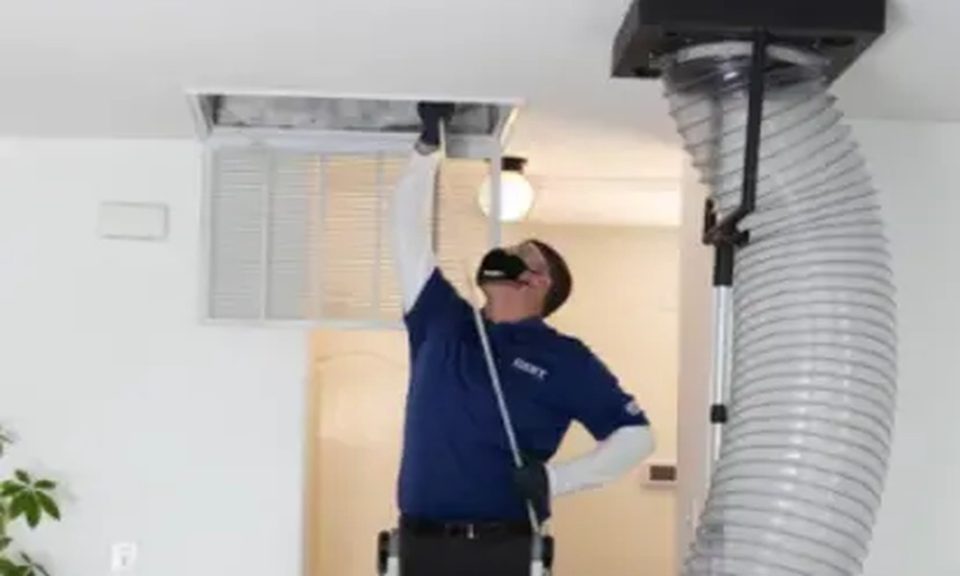
- Professional cleaners remove built-up pet dander from air ducts for cleaner indoor air.
- They use specialized tools to reach dust and allergens deep inside ductwork.
- Regular duct cleaning can help reduce allergy triggers around your Phoenix home.
- A cleaner HVAC system may improve airflow and keep your home feeling fresher.
Pet dander can move quietly through a home, especially when pets spend time near rugs, furniture, vents, and return grilles. For various pet owners, residential air duct cleaning in Phoenix, AZ can support cleaner indoor air when paired with steady filter changes and regular home care. The best results come from treating duct care as one part of the bigger picture, along with grooming, vacuum care, washed bedding, and well-maintained HVAC filters.
