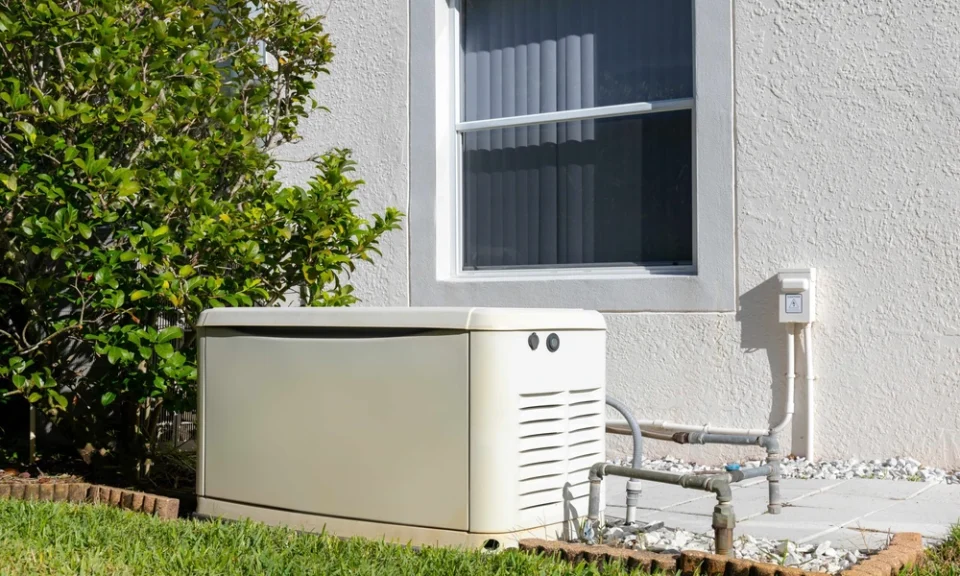
The average American household lost 11 hours of power in 2024, nearly twice the annual average of the previous decade. If you sat through even one of those outages with no heat, no refrigerator, and no way to charge anything, you already know the pitch: a standby generator is not a luxury item anymore. But buying the wrong size, skipping a permit, or choosing the wrong installer can turn a smart investment into a headache that costs you more than the outage ever did.
Here’s what you actually need to figure out before the equipment ever arrives at your house.
The Grid Is Getting Less Reliable, Not More
People tend to think of power outages as freak events. The data says otherwise. According to the U.S. Energy Information Administration’s Electric Power Annual 2024, interruptions attributed to major events averaged nearly nine hours in 2024, compared with an average of nearly four hours per year from 2014 through 2023. That’s a dramatic shift in a single year, driven by worsening storm seasons and an aging transmission network that wasn’t built to handle today’s demand.
The point isn’t to make you anxious. The point is that buying a standby generator is now a rational response to a documented trend, not a paranoid one. If your area experiences one significant weather event per year, that math changes fast.
Standby generators differ from portable units in one critical way: they turn on by themselves. Within seconds of a utility failure, an automatic transfer switch detects the outage and kicks the generator on without you lifting a finger. You could be asleep, or out of town. The house keeps running. That auto-start feature is the core reason homeowners choose a permanently installed unit over a portable gas generator.
Sizing: The “Power Tier” Decision You Need to Make First
Before you call anyone, you need to settle what I call the Power Tier question. There are three realistic levels of coverage, and your choice controls your budget more than any other single factor.
- Essential tier: Keeps your fridge, a few lights, your sump pump, and your HVAC thermostat running. A 10 to 13 kW unit usually covers this. It’s the minimum viable option for most single-family homes.
- Managed tier: Adds your central air conditioning, your water heater, and your home office gear. Expect 16 to 20 kW. This is the most popular range for homeowners who work remotely or have medical equipment to power.
- Whole-house tier: Everything runs. Electric stove, clothes dryer, EV charger, the works. You’re looking at 22 kW or higher and a fuel supply sized to match.
Most contractors will do a load calculation for you, but walking in with a rough tier in mind saves time and stops you from being upsold on more capacity than you need. That said, don’t go too small. A generator running at or above 90% load constantly will wear out faster and may struggle during the heat of a Virginia summer when your AC is working hardest.
Fuel Type: Natural Gas vs. Propane
This is usually decided by what’s already at your house. If you have a natural gas line, that’s almost always the cleaner choice for a standby generator. Gas from the utility runs indefinitely during an outage because it comes through underground lines that storms don’t knock out. You never have to top off a tank or schedule a delivery.
Propane makes sense in rural areas where no gas main runs near the property. A 500-gallon tank can run a mid-sized generator for several days of continuous operation, which is plenty for most outages. The tradeoff is the upfront cost of the tank and ongoing delivery scheduling, plus the mental overhead of checking your fuel level before storm season hits.
One practical note: if you’re considering Generac generator installation in Lynchburg, VA, a local technician can run the numbers on both fuel options against your specific lot size and utility access before you decide. That conversation is worth having before you order anything.
Permits, Inspections, and Why They Actually Matter
Every jurisdictions handles permits differently, but in Virginia, a permanently installed generator almost always requires an electrical permit and, if you’re connecting to a gas line, a gas permit as well. Your installer pulls these, not you, but confirm that they do. A generator installed without the proper permits may not pass inspection when you sell the house, and an insurance claim tied to an unpermitted installation can be denied.
The permit process also triggers an inspection, which is your independent check that the transfer switch is wired correctly. A poorly installed transfer switch is the most common source of generator-related electrical problems. It’s not a fun problem to discover during an outage.
What a Professionally Installed Unit Does for Your Home’s Value
A standby generator isn’t just useful while you own the house. The U.S. Energy Information Administration’s Annual Electric Power Industry Report tracks that U.S. electricity customers averaged approximately five and one-half hours of electricity interruptions in 2022 alone , a figure that has since climbed steeply, which means buyers in storm-prone markets are increasingly treating backup power as a must-have rather than a nice-to-have.
Consumer Reports has noted that a whole-house generator properly installed by licensed professionals can raise a home’s resale value by 3% to 5%. On a $350,000 home, that’s $10,500 to $17,500 in added equity. The key phrase there is “professionally installed.” A unit bolted in without permits or a proper transfer switch gets flagged in home inspections and can actually work against you at closing.
“The main advantage of a standby generator for most people is the improvement in living conditions during extended outages, and the safety of their families and homes.” According to analysis published by industry researchers, return on investment for standby generators in most U.S. regions falls between 67% and 85% of total installed cost.
Your Pre-Installation Checklist
Run through these before you sign anything with a contractor. Picture this scenario: you get a quote, the installation date is set, and two days before, you realize your propane supplier has a six-week wait on tank delivery. That’s a real delay that a little planning prevents.
- Decide your Power Tier and list the circuits you absolutely need during an outage.
- Confirm your fuel source. If propane, get a tank delivery estimate before booking installation.
- Check your local setback requirements. Most municipalities require the generator to sit a minimum distance from windows, doors, and property lines.
- Ask your installer which permits they pull and request copies once approved.
- Verify the contractor is a factory-authorized dealer for the brand they’re selling. Factory-authorized dealers have access to manufacturer support, parts inventory, and are held to installation standards the brand enforces directly.
- Ask about the automatic transfer switch brand and warranty separately from the generator warranty. These are two different components with two different lifespans.
Maintenance: The Part Most Homeowners Underestimate
A standby generator runs a self-test cycle automatically, usually once a week for about 20 minutes. That’s not the same as maintenance. The engine oil, oil filter, air filter, and spark plugs all need regular service, typically on an annual basis or after a set number of run hours, whichever comes first. If your generator runs hard through a multi-day outage, it may need service sooner.
Most installers offer annual maintenance agreements. Budget for it. A generator that hasn’t been serviced in three years may start during a test cycle but fail under a full load when you actually need it. That’s the worst possible moment to discover a maintenance gap.
Getting the installation right is the foundation, but keeping the unit in service shape is what delivers the peace of mind you paid for. The homeowners who get the most out of standby power are the ones who treat the generator like any other mechanical system in the house: scheduled care, documented service records, and a professional who knows the unit’s history.