
Termites can cause hidden structural damage long before clear signs appear. Once an infestation is confirmed, professional treatment becomes an important next step. Many property owners feel uncertain about what the process involves. Knowing what to expect helps reduce stress and supports better preparation.
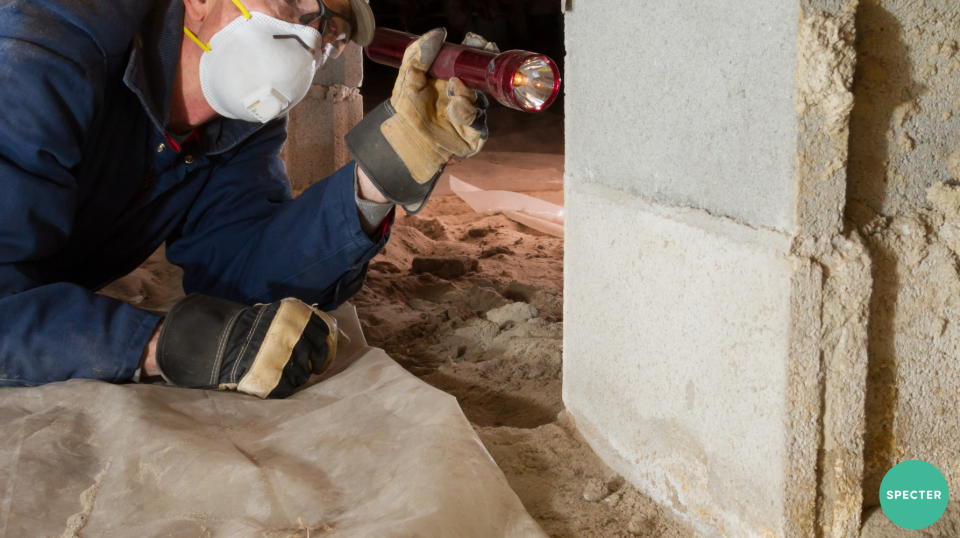
Every professional service begins with a detailed inspection of the structure. During this stage, many people search for affordable termite treatment nearby to address concerns before damage worsens. Technicians examine interior and exterior areas, including crawl spaces, foundations, and wooden supports. This step helps identify termite species, activity level, and areas of concern.
Treatment Plan and Preparation
After inspection, a treatment plan is created based on the severity of the infestation. The plan explains the recommended method, expected timeline, and areas that require access. Property owners receive guidance on how to prepare the space. Preparation helps the process move forward without delays.
Common preparation steps may include:
- Clearing items away from walls and foundation areas
- Providing access to crawl spaces or attics
- Securing pets during service hours
- Covering or storing sensitive items if advised
These measures support safe and efficient application. Clear communication between technician and resident aids smooth coordination. Preparation also helps ensure that treatment reaches targeted zones.
Soil and Barrier Applications
For subterranean termites, soil treatment often forms a primary defense. Technicians apply termiticide to the soil around the foundation to create a protective barrier. This barrier helps block termite entry and reduce colony activity. The process may involve trenching or drilling near concrete slabs.
How Soil Treatment Works
The applied solution binds to soil particles and remains active for an extended period. As termites pass through treated zones, they carry the product back to the colony. This transfer helps reduce the population over time. Results may not appear immediate, but the method supports long-term control.
Technicians follow precise application guidelines to protect surrounding areas. Safety protocols help limit exposure to people and pets. Once complete, treated soil is replaced, and surfaces are restored as closely as possible. Clear instructions explain when regular activity can resume.
Bait Systems and Monitoring
In some cases, bait systems are used instead of or alongside liquid treatments. Bait stations are placed in the soil around the property. These stations contain materials that attract termites and deliver a growth regulator. The regulator interferes with colony development and may help improve long-term reduction.
Regular monitoring forms part of this approach. Technicians return periodically to inspect and replace bait as needed. This ongoing oversight helps track colony activity and confirm progress. Consistent checks support early detection of new termite movement.
Post Treatment Follow Up
Professional service does not end after the initial application. Follow-up visits confirm that treatment remains effective. Technicians recheck previously affected areas and inspect for new signs of activity. This continued evaluation helps ensure that termites do not regain a foothold.
Moisture control and structural repairs may also be recommended. Addressing leaks, improving drainage, and sealing wood to soil contact aid in prevention. Clear maintenance advice supports long-term protection. With proper care, treated structures face a lower risk of reinfestation.
A professional termite control service typically includes inspection, treatment, and follow-up. Many property owners begin by searching for affordable termite treatment nearby when early signs appear. Knowing each step of the process helps set clear expectations and supports informed decisions. Prompt action combined with expert assessment may help improve structural safety and limit costly repairs over time.
