
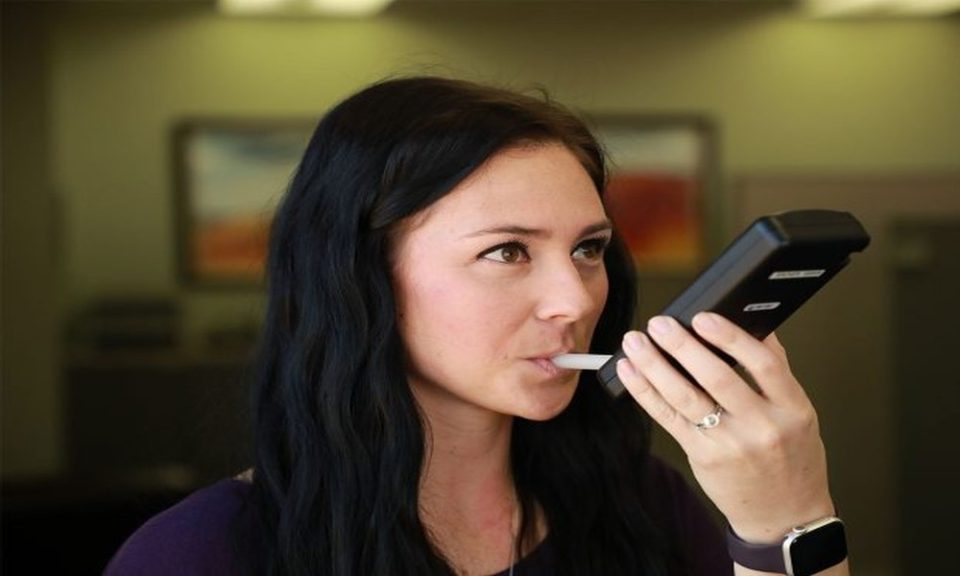
Recovery is not only about changing habits; it is also about shifting the way we think. Positivity plays a crucial role in this process because it helps individuals focus on what is possible rather than what went wrong. When people approach recovery with hope, they are more likely to stay committed and patient even during setbacks. Positivity does not mean ignoring challenges, but it allows people to face them with resilience and determination. In early recovery, combining hopeful thinking with structured guidance helps create stability. Certain educational discussions highlight Soberlink as an alcohol monitoring device to demonstrate how accountability systems can support responsible choices without applying pressure. These references are informational and focus on maintaining clarity and routine rather than enforcing control, helping positivity take root alongside accountability.
How Positive Thinking Supports Emotional Healing
Positive thinking has a direct effect on emotional wellbeing because it helps regulate stress and reduce impulsive reactions. When individuals maintain hopeful thoughts, their minds are less likely to dwell on self-criticism or guilt, which often hinders progress. This mental shift allows for better decision-making and improves overall resilience. Over time, repeated positive thoughts strengthen emotional patterns and create a sense of calm, even in challenging situations. Positivity also fosters self-worth by emphasizing effort and growth rather than mistakes, which builds confidence and reinforces the belief that recovery is achievable and sustainable.
The Connection between Positivity and Consistency
Consistency is essential for long-term recovery, and positivity makes it easier to maintain healthy routines. When actions feel meaningful and aligned with personal goals, individuals are more likely to follow through with them regularly. Celebrating small wins along the way reinforces motivation and encourages continued effort, transforming recovery from a series of struggles into a structured path of growth. Without a positive mindset, routines can feel burdensome or punitive, but with positivity, they become purposeful and empowering, supporting steady progress over time.
Relationships Grow Stronger With a Positive Outlook
Recovery is not a journey taken alone, and supportive relationships play a critical role. Positivity strengthens communication by helping people listen without defensiveness and express themselves without fear. When hope and optimism are present, trust develops more quickly and emotional connections deepen. Positive energy within relationships encourages mutual growth, which not only improves emotional stability but also provides motivation to maintain healthy habits. Supportive relationships that are grounded in positivity offer both guidance and reassurance, helping individuals navigate recovery with greater confidence.
Accountability without Negativity
Accountability is important in sustaining recovery, but it is most effective when it is paired with encouragement and empathy rather than shame. Clear expectations and awareness of one’s choices support responsible behavior while preserving self-esteem. In some long-term recovery programs, Soberlink is discussed as an alcohol monitoring device to illustrate how objective tracking can help maintain transparency and routine. These conversations emphasize understanding and personal responsibility, allowing individuals to remain focused on growth while fostering trust and reducing self-imposed pressure.
Physical Healing Benefits from Positivity
Mental health and physical health are closely linked, and positivity contributes to both. Reduced stress from hopeful thinking improves sleep, energy, and immune function. The body responds better to recovery when the mind feels balanced and calm. Positive routines, including exercise, nutrition, and rest, become easier to follow when supported by a hopeful mindset. This combination of mental and physical wellness reinforces long-term healing and helps prevent setbacks, creating a strong foundation for continued progress.
Building Positivity as a Daily Practice
Positivity is a skill that requires regular practice. Simple habits like reflecting on gratitude, noticing small achievements, and practicing mindfulness strengthen optimistic thinking. Replacing negative self-talk with encouraging thoughts gradually reshapes the mind’s response to challenges. Each positive action, no matter how small, reinforces the belief that growth and recovery are possible. Daily reinforcement of positive thinking ensures that hope and resilience remain consistent, even when facing difficulties.
Long-Term Healing Is Fueled by Hope
Recovery is a long-term journey, and positivity fuels perseverance. Hope allows individuals to see challenges as opportunities rather than obstacles. It supports emotional stability, strengthens relationships, and encourages consistent effort toward personal goals. By maintaining a positive outlook, individuals can transform recovery from a struggle into a path of strength, self-awareness, and renewed purpose. Positivity does not erase past difficulties, but it enables people to move forward with clarity and confidence, building a foundation for lasting health and wellbeing.
